 Free and Next Day Delivery*
 Up to 10 Year Warranty
 Installation Available
 Instant Credit - Apply
Nature at Work
Biophilic Design for Neurodiverse Employee Well-being
Originating from the term ‘biophilia,’ which means ‘love of life and nature,’ biophilic interior design seeks to incorporate natural elements into built environments, bridging the gap between the indoors and the great outdoors. This design philosophy leverages elements such as natural light, vegetation, water features, and natural materials to create spaces that promote health and well-being.
As we explore the principles and applications of biophilic design in this guide, we'll demonstrate how these natural elements can be seamlessly integrated into workspaces to support the well-being and productivity of all employees, with a special focus on the unique needs of neurodiverse individuals.
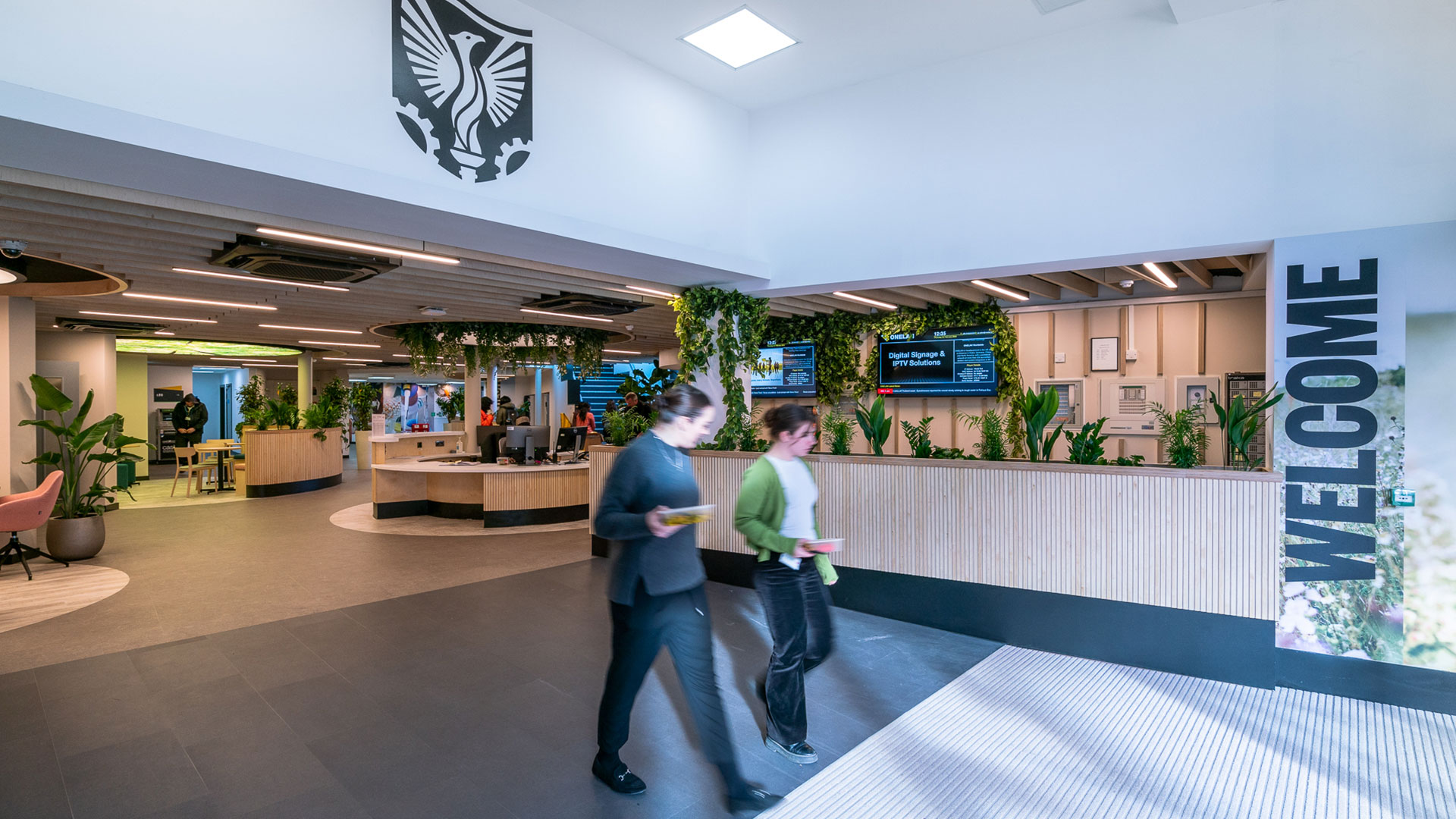
Main Photo: Wagstaff fit-out project - University of East London, Stratford Campus - Reception Area
The Importance of Supporting Neurodiversity in the Workplace
Neurodiversity promotes the understanding that mental variations are part of normal human diversity, rather than deficits or disorders to be cured. Neurodiverse employees often have unique needs that differ from their neurotypical peers – including heightened sensitivity to environmental stimuli such as light, sound, and textures, as well as the need for more structured routines and clearer communication.
For instance, individuals with autism may find open-plan offices overwhelming due to sensory overload, while those with ADHD may benefit from environments that allow for movement and variation in seating options. Meeting these needs requires thoughtful workplace design that can accommodate different sensory preferences and provide a range of workspaces to support various tasks and comfort levels.
Benefits of Biophilic Design for Neurodiverse Employees
Biophilic design offers numerous benefits for neurodiverse employees, from reducing stress and anxiety to enhancing physical health and emotional well-being. By integrating natural elements and ergonomic solutions, workplaces can create supportive environments that cater to the diverse needs of all employees, promoting inclusivity and productivity.
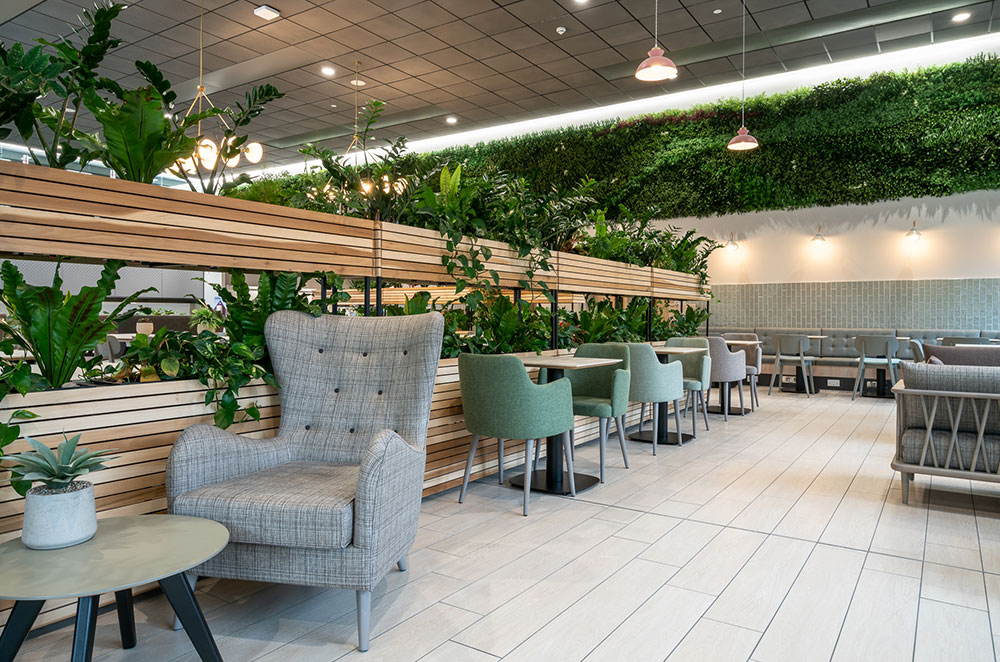
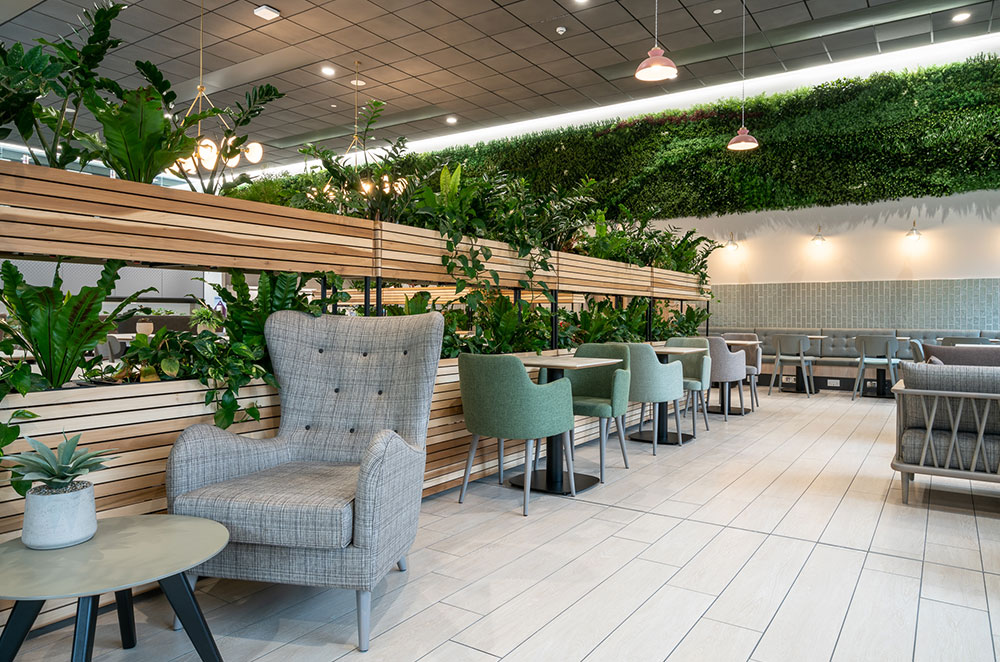
Mental Health – Reducing Stress and Anxiety
Natural elements such as plants, natural light, and water features help to create calming environments that mitigate the sensory overload often experienced by neurodiverse individuals. Studies have shown that exposure to nature can lower cortisol levels, a significant marker of stress.
Overall, biophilic elements provide a soothing backdrop that helps manage sensory inputs. The presence of plants and views of nature can offer visual rest and mental restoration, making it easier for individuals to focus and maintain cognitive function throughout the day.
Physical Health – Boosting Well-Being With Ergonomic Furniture
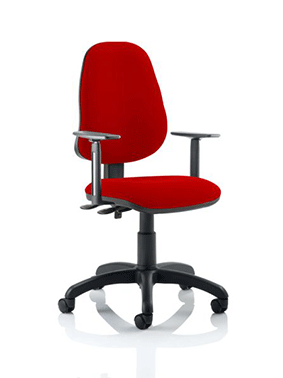
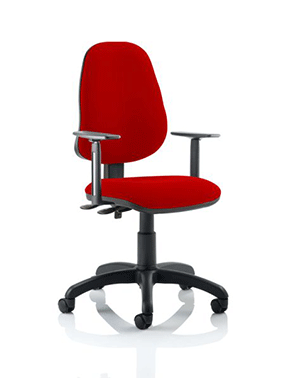
Ergonomic furniture is especially beneficial for neurodiverse individuals who may require different seating arrangements to remain comfortable and focused. Products like the Eclipse Plus II Lever Task Operator Chair are designed to support physical health by providing adjustable features that cater to individual needs. These chairs help maintain proper posture, reduce the risk of musculoskeletal issues, and support comfort during long working hours.
Emotional Health – A Positive Impact on Social Interactions
Work environments that incorporate biophilic elements can facilitate better social interactions by providing spaces that feel welcoming and inclusive. For example, the use of natural materials, light, and vegetation in communal areas can create inviting spaces where employees feel comfortable engaging with one another.
This is particularly important for neurodiverse individuals, who may find traditional office environments overwhelming.
Near London? Come to See These Biophilic Solutions in Action
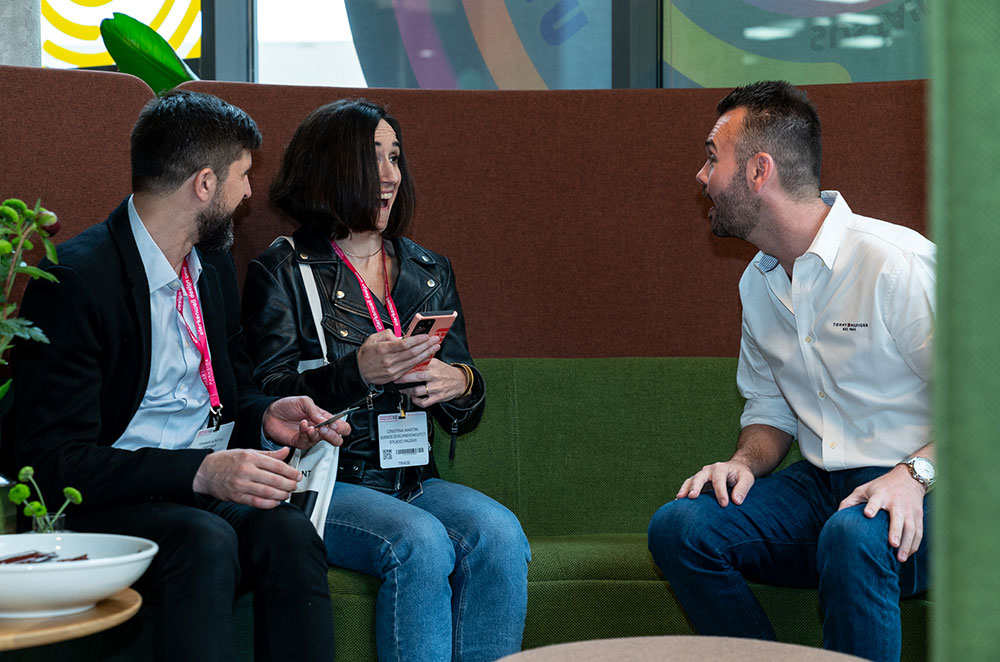
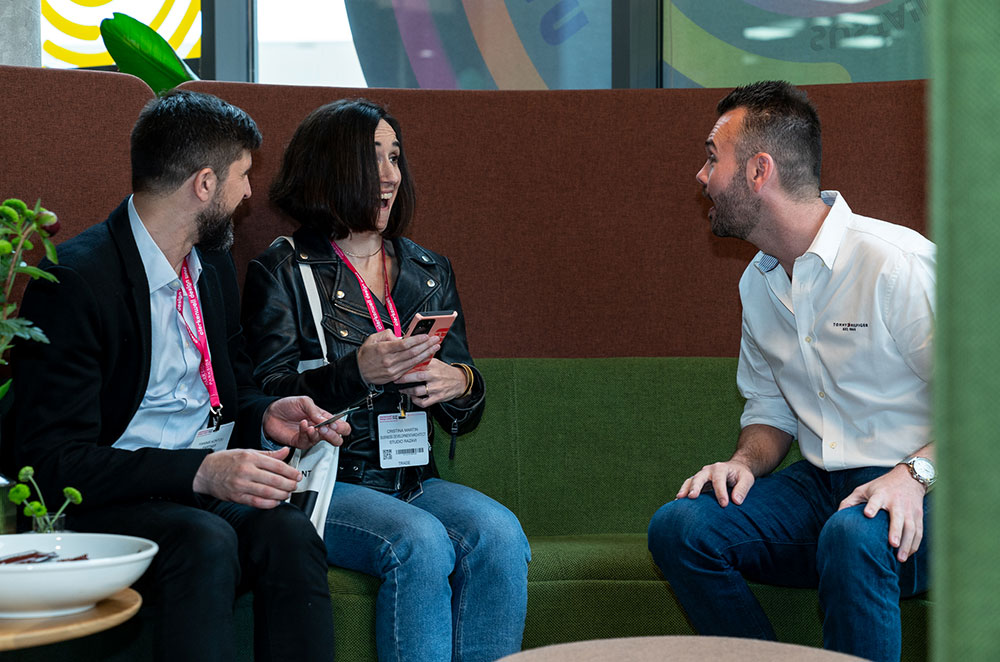
Located in the heart of London’s design district, Wagstaff’s Clerkenwell showroom offers a unique opportunity to experience the range of biophilic-compatible furniture items in person. From ergonomic seating and desks to helpful storage and finishing touches, you can see and feel the quality and design that make these products perfect for supporting workplace well-being..
The Key Principles of Biophilic Design
Natural Light and Fresh Air
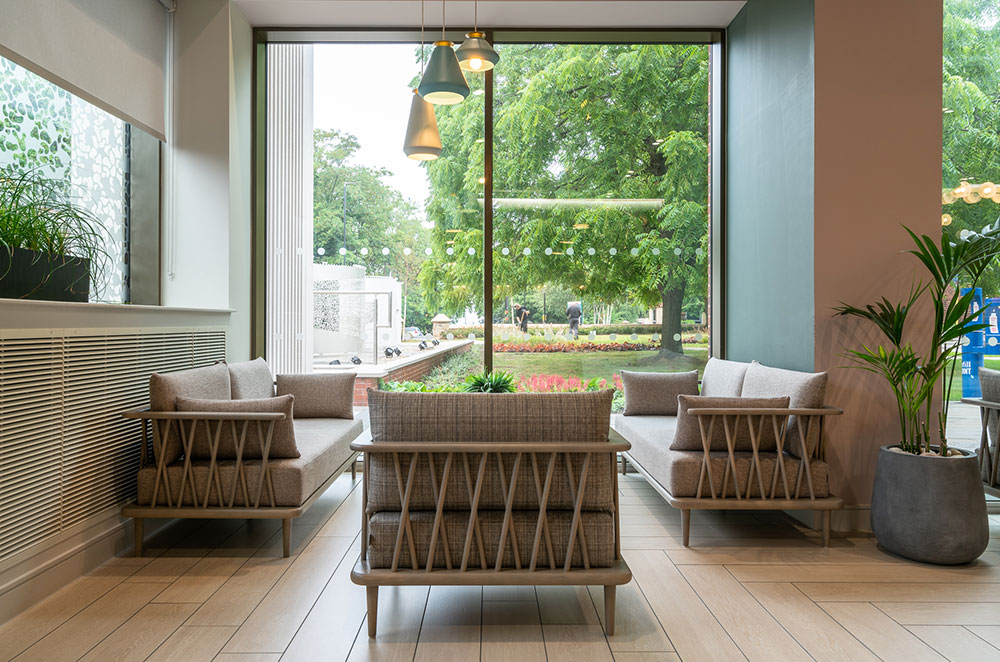
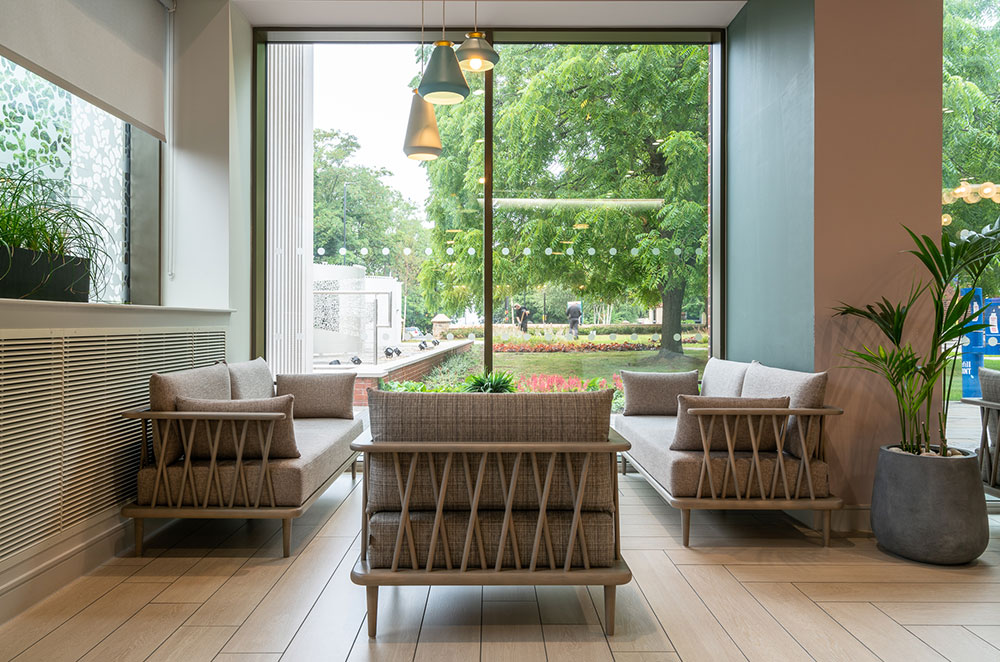
Exposure to natural light helps regulate circadian rhythms, improving sleep patterns and overall well-being. Fresh air circulation also boosts cognitive function and reduces the risk of respiratory issues. The Nova A Bench Desks, with their open design, can be positioned near windows to make the most of natural light exposure and fresh air flow.
Vegetation and Natural Elements
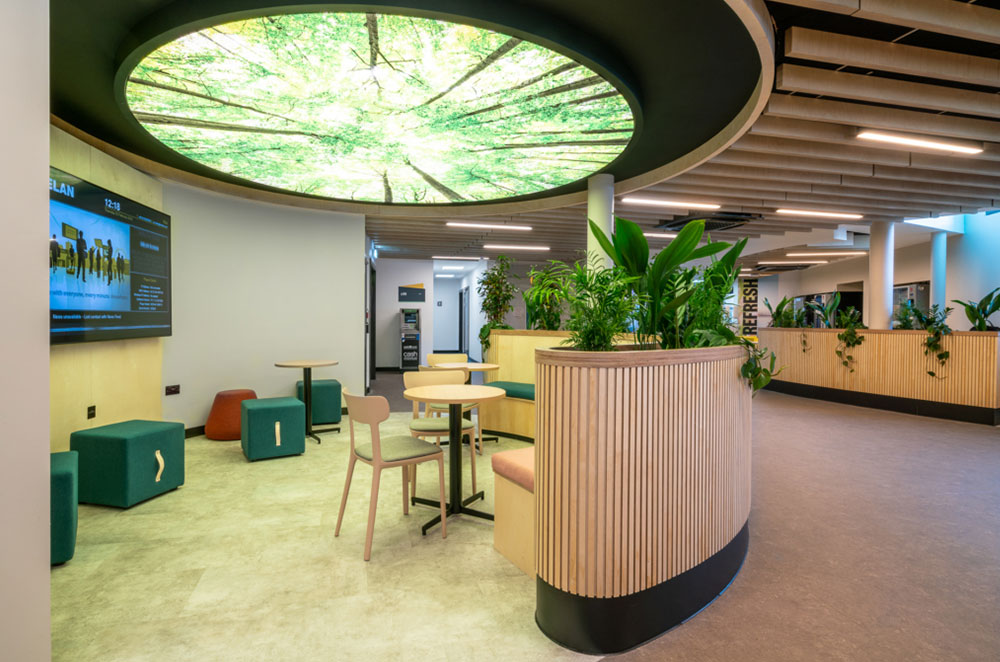
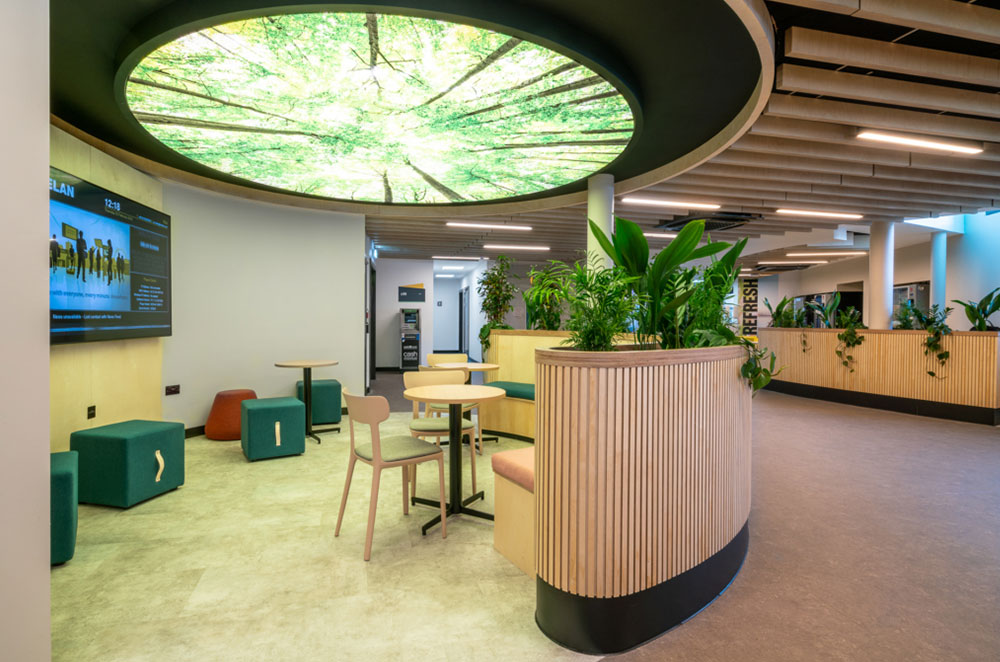
Plants improve air quality by filtering toxins and increasing oxygen levels, while their presence has been shown to reduce stress and boost mood. The use of natural materials, such as wood and stone, adds a tactile dimension that further connects employees with nature.
Products like the ISO Chrome Frame Chair, which can be upholstered in natural fabrics, can really help to bring these natural elements together.
Flexible and Adaptable Spaces
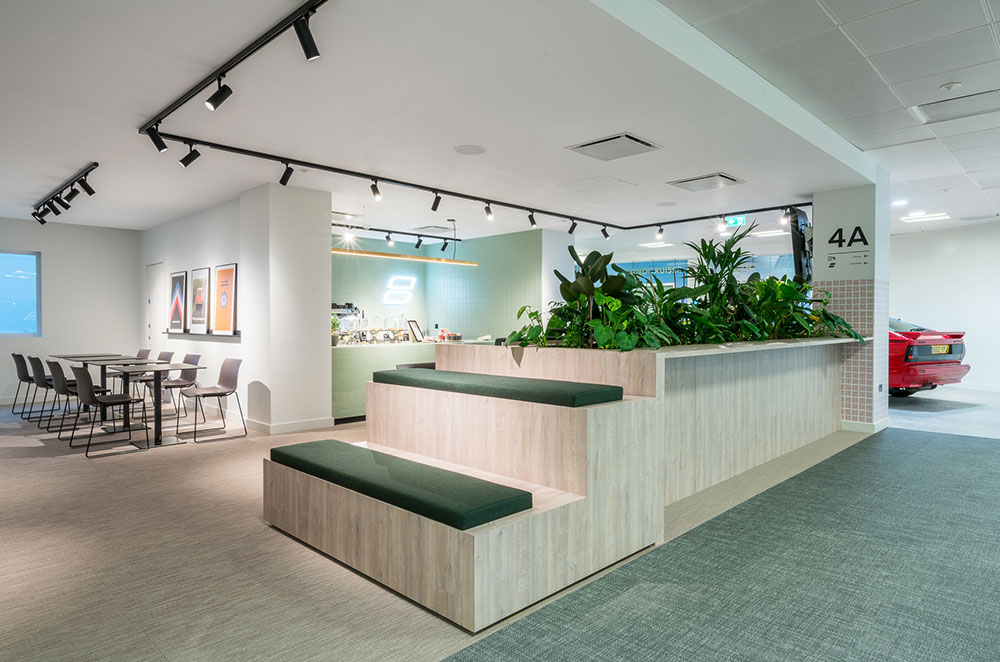
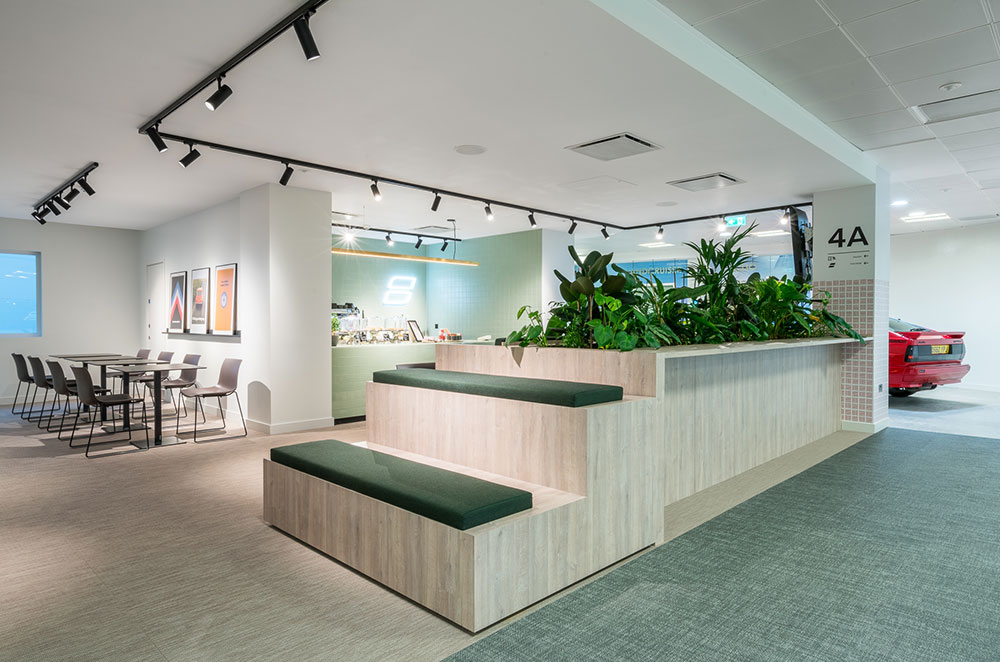
All employees, both neurotypical and neurodiverse, should have control over how and where they work. Flexible furniture solutions such as the Sedus se:motion Task Chair, which automatically adjusts to the user's weight, and the OKOFORM Heated Desk, featuring infrared radiant heat technology, allow employees to do just that – customising their work environment to suit their preferences day-to-day.
Wayfinding and Spatial Organisation
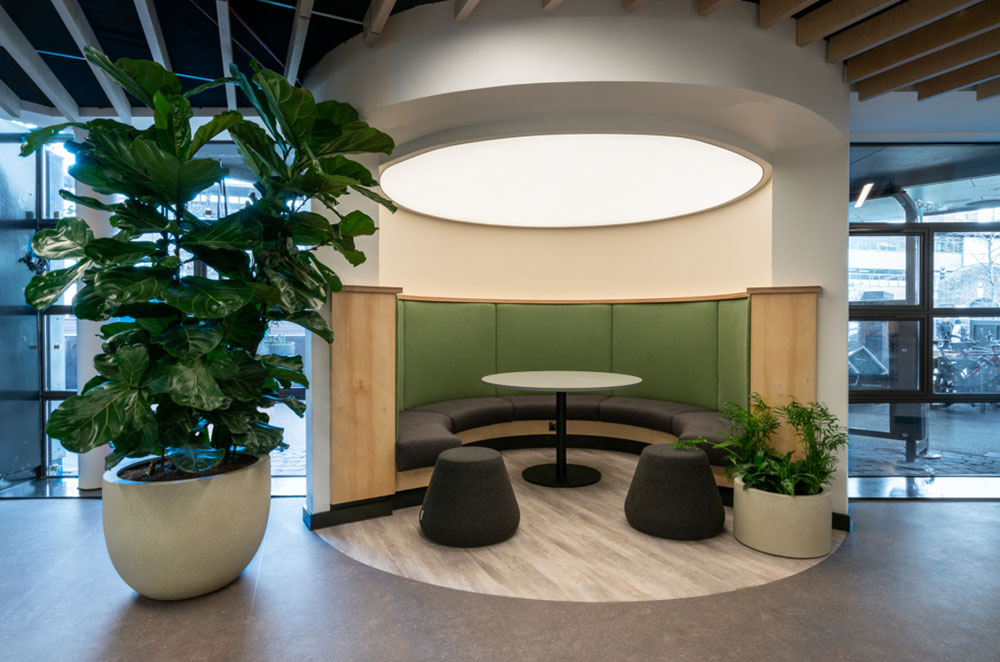
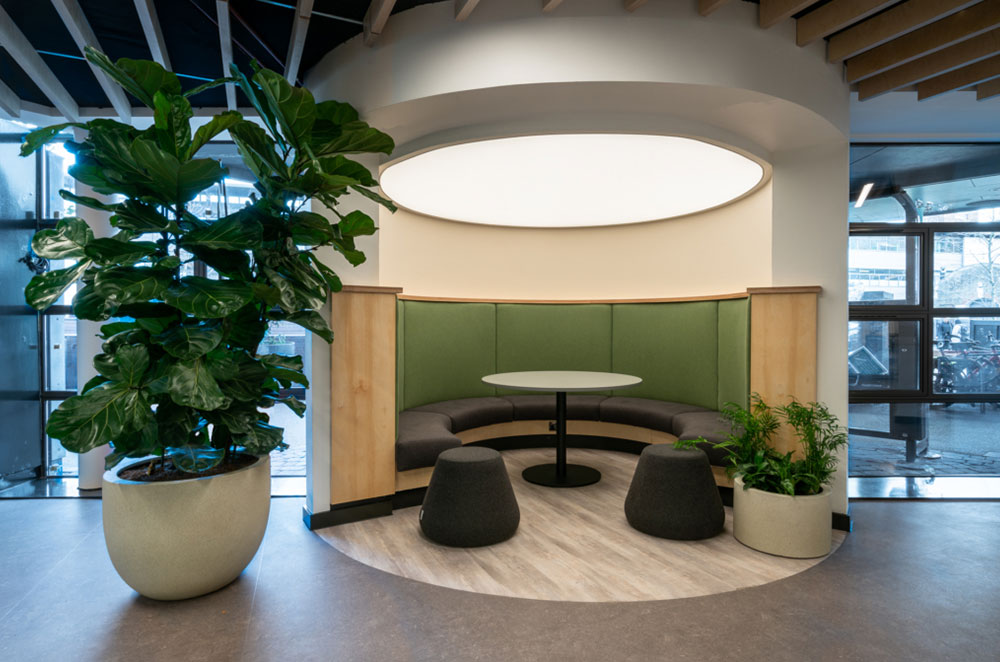
Clear signage and intuitive design help employees easily locate different areas, reducing anxiety and improving efficiency. Gradual transitions between spaces, such as moving from a bustling lobby to quieter work zones, prevent sensory overload and create a more harmonious flow.
Zoning techniques, which use natural materials and colours to differentiate areas, streamline this navigability.
From Concept to Comfort – Implementing Biophilic Design for Neurodiverse Employees
Autotrader - Manchester
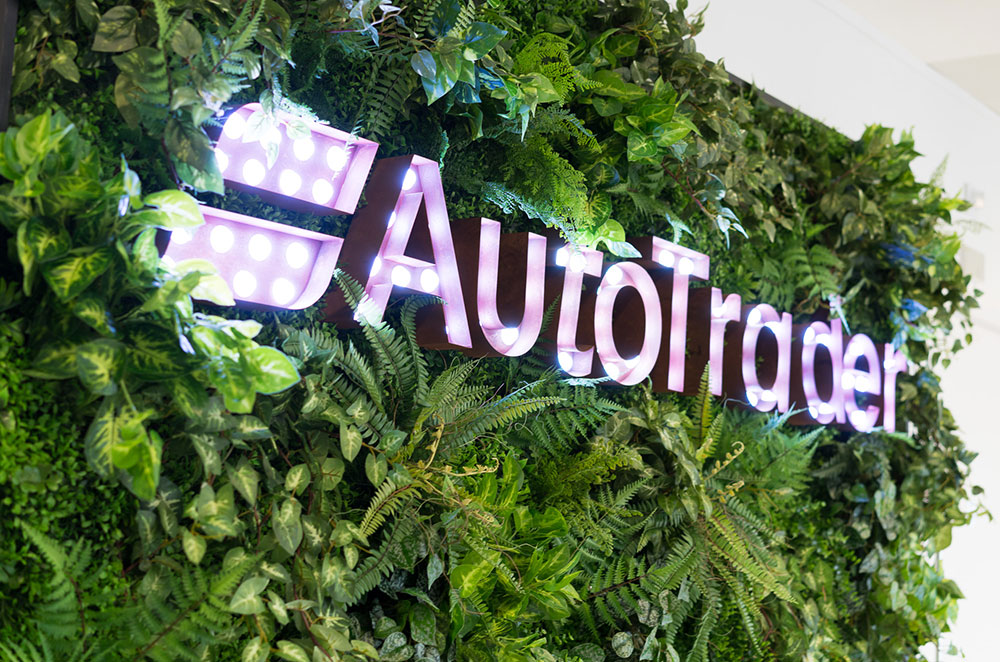
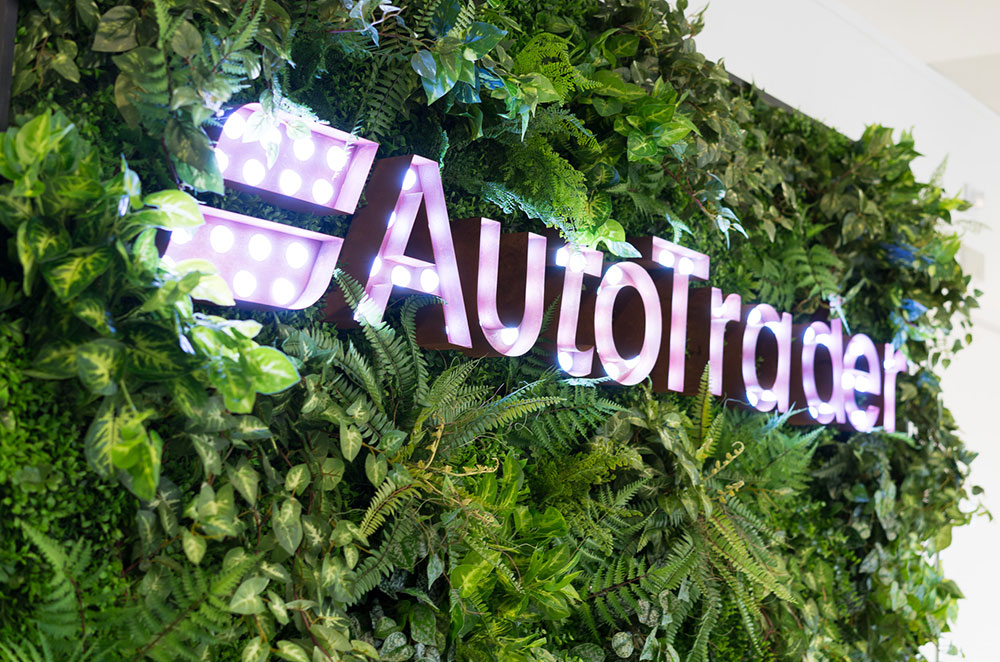
AutoTrader's office refurbishment in Manchester is a prime example of biophilic design in action. During the pandemic, AutoTrader decided to refurbish two existing floors, totalling 40,000 sq. ft, and to take an additional 10,000 sq. ft in the building. The goal was to create a new post-COVID workplace that provided more space for individual workstations, and a variety of shared spaces to accommodate the increase in virtual meetings.
The project included removing and storing 600 bench workstations, stripping out existing fixtures and fittings, and creating open-plan flexible meeting spaces. These spaces allow varying numbers of staff to attend meetings and include individual quiet focus rooms and various shared work settings.
Travis Perkins Plc – Northampton HQ
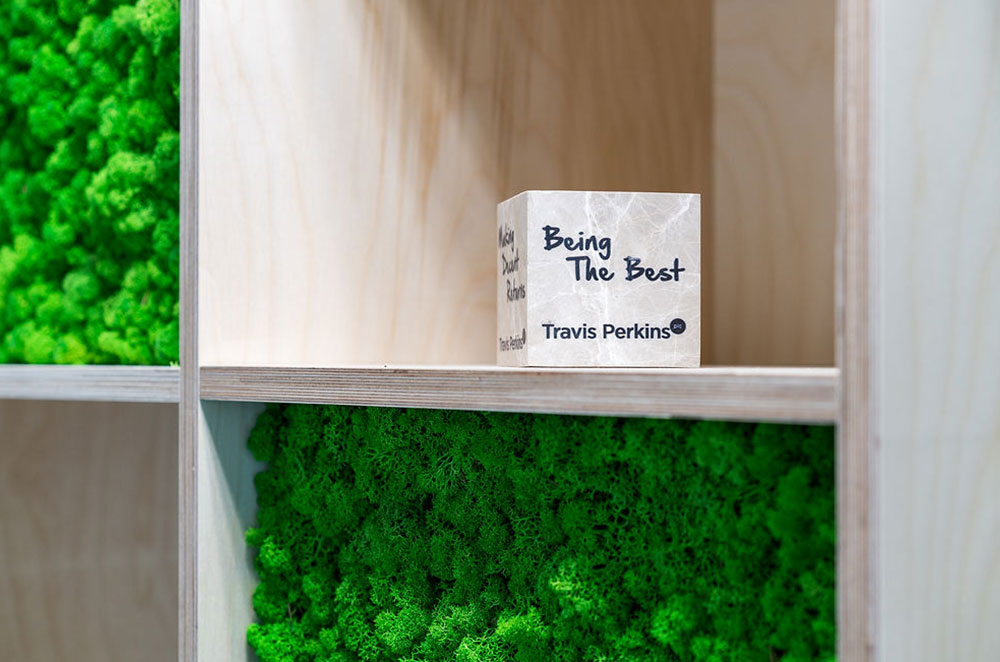
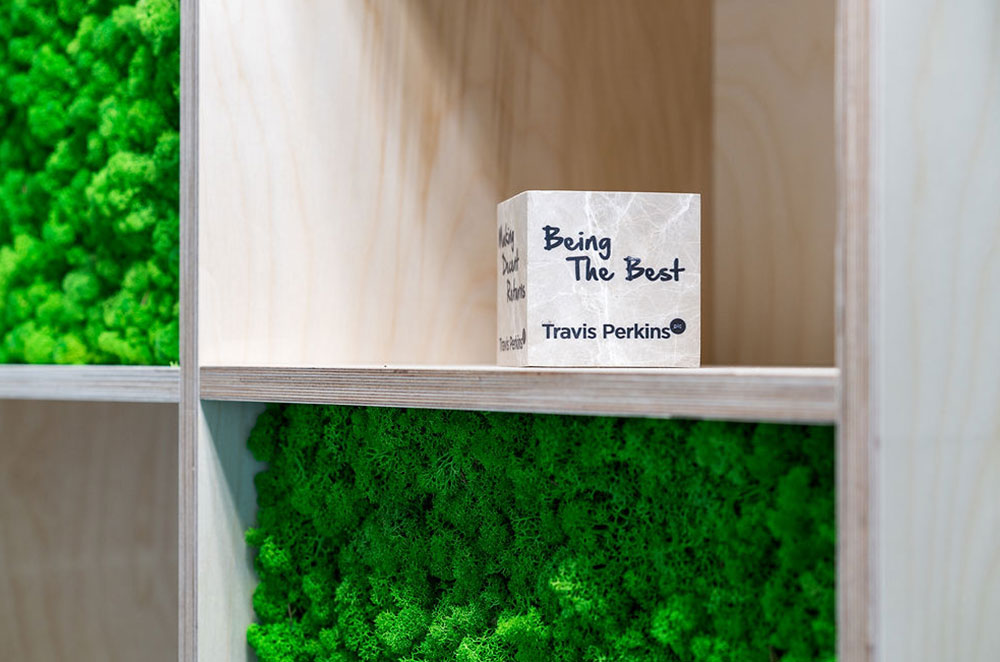
The redesign of Travis Perkins' headquarters in Northampton showcases another successful implementation of biophilic design. The Wagstaff design team was tasked with transforming the dated office space into a modern, post-COVID workplace. The redesign focused on creating a safe and functional environment, with improvements such as increasing the capacity and efficiency of the HVAC system, providing three times the standard ventilation requirements.
The project included replacing traditional lighting with super-efficient LED lights and switching from gas-fired heating to electric systems, allowing the company to use renewable energy sources. The redesign also introduced a variety of work settings, including break-out and relaxation spaces with a domestic feel, bridging the gap between home and work environments.
From Concept to Comfort – Implementing Biophilic Design for Neurodiverse Employees
Small Biophilic Offices
- Maximise Space: Use vertical gardens and hanging plants to add greenery without occupying floor space.
- Natural Light: Opt for light, translucent window coverings to allow maximum natural light while maintaining privacy.
- Flexible Furniture: Choose multifunctional furniture that can be easily reconfigured to suit different needs and activities.
Medium Biophilic Offices
- Dedicated Zones: Create specific areas for relaxation, such as small lounges with comfortable seating and plenty of plants.
- Water Features: Install small water features in communal areas to provide a soothing effect known as ‘effortless attention’.
- Varied Textures: Use a mix of natural materials in different zones to create diverse and stimulating workspaces.
Large Biophilic Offices
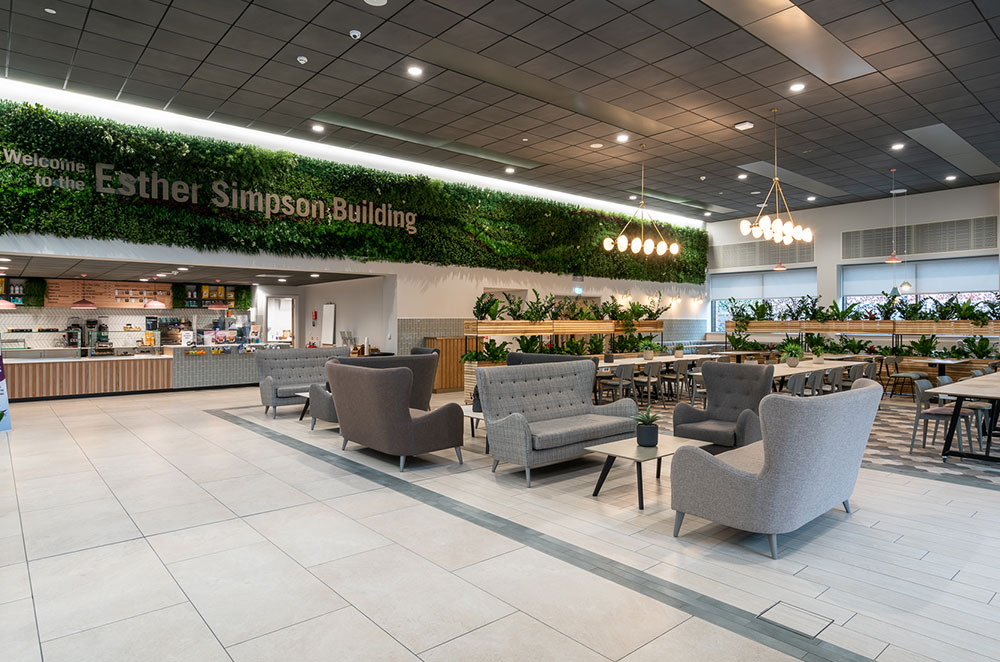
- Green Walls: Incorporate large-scale vertical gardens or green walls to make a significant impact.
- Natural Light: Use open floor plans and glass partitions to ease the distribution of natural light throughout the office.
- Biophilic Amenities: Include biophilic elements in communal amenities like break rooms and meeting spaces to rejuvenate employee surroundings.
Create a More Inclusive Workplace Through Biophilic Design
By creating spaces that cater to diverse sensory needs and promoting well-being, organisations can foster inclusivity, increase productivity, and attract and retain talent. Thinking of implementing these design practices in your own workplace? Browse the range today or visit the showroom to take the first step towards a healthier, more supportive place of work.